Anal Beads
 Anal Vibrators
 Butt Plugs
 Prostate Massagers
 Alien Dildos
 Realistic Dildos
 Kegel Exercisers & Balls
 Classic Vibrating Eggs
 Remote Vibrating Eggs
 Vibrating Bullets
 Bullet Vibrators
 Classic Vibrators
 Clitoral Vibrators
 G-Spot Vibrators
 Massage Wand Vibrators
 Rabbit Vibrators
 Remote Vibrators
 Pocket Stroker & Pussy Masturbators
 Vibrating Masturbators
 Cock Rings
 Penis Pumps
 Wearable Vibrators
 Blindfolds, Masks & Gags
 Bondage Kits
 Bondage Wear & Fetish Clothing
 Restraints & Handcuffs
 Sex Swings
 Ticklers, Paddles & Whips


10 must-have comfort foods for winter in Japan to keep you cozy

Japanese food has always been around Shun (seasonal), while winter is a time for deep soups, slow cooks and meals designed to warm the body from within. Ramen and tempura may be favorites, but the true heart of Japanese comfort food beats loudest when it’s cold outside. Here are the dishes that bring life to winter in Japan.
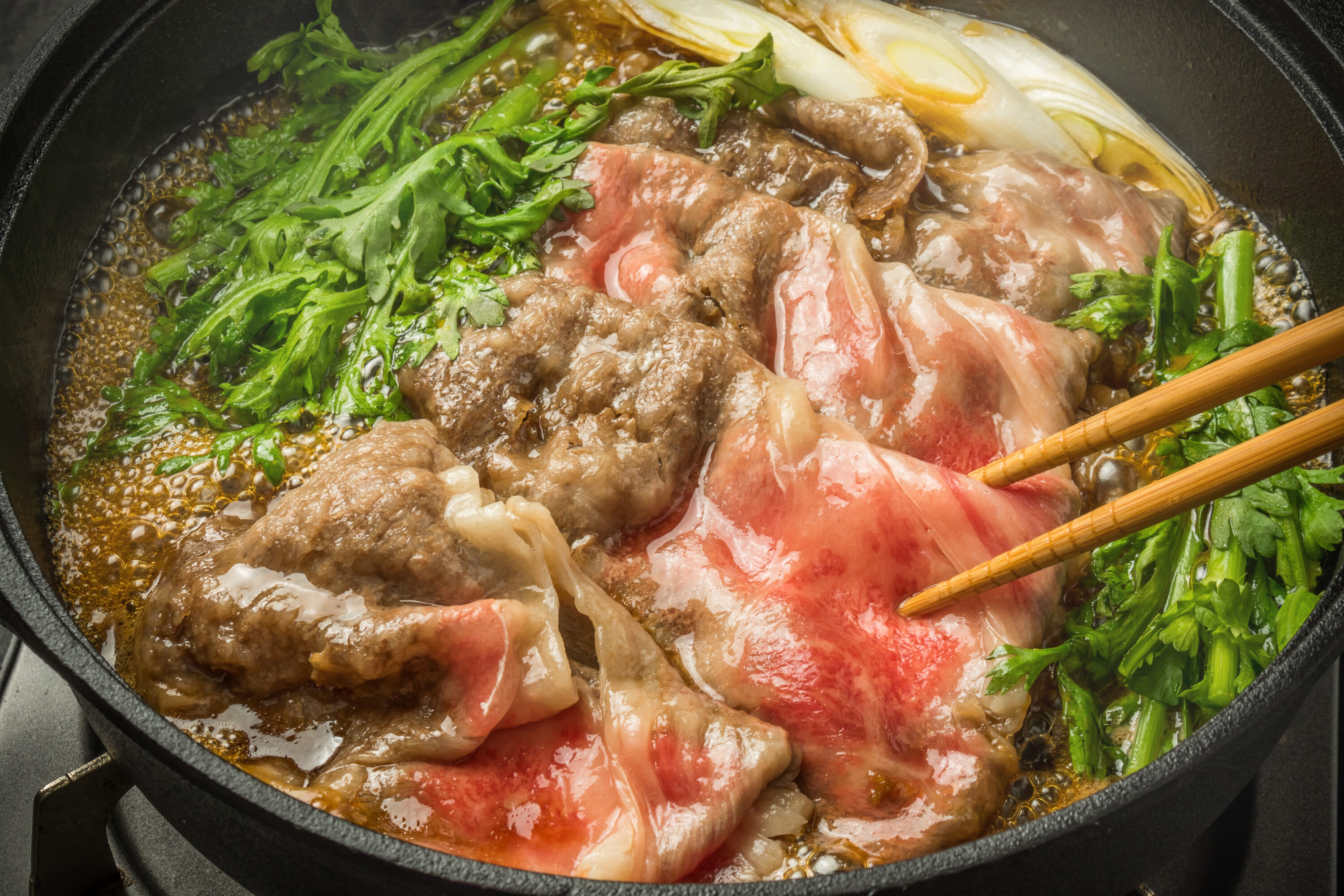
hot pot
First up is hot pot, the undisputed king of winter cuisine in Japan. While hot pot means “pot,” covering a broad spectrum of hot pot dishes, it typically consists of a clay pot placed on a portable stove in the center of the table, with broth simmering while everyone adds their favorite ingredients, such as Chinese cabbage, mushrooms, tofu, green onions, and thinly sliced pork or chicken.
There are endless Regional differencesfrom soy milk soup to hearty miso versions. The most famous varieties include sukiyaki (beef fillet pictured above), sumo hot pot, a staple dish for sumo wrestlers, and shabu-shabu. There are also Fukuoka’s specialty offal hot pot and mizutaki hot pot. When you feel like you’re full, it’s time to eat shime; add rice or noodles to soak up the remaining soup for a hearty end to the meal.
Auden
Anyone who walks into a Japanese convenience store in winter can smell oden almost immediately. Oden is a slow-cooked stew filled with skewers, fish cakes, konnyaku, hard-boiled eggs, jinshu (fried tofu skin wrapped like a bag) and thick slices of daikon soaked in all the broth.
It started out as a humble street food, but is now found everywhere in the winter, from covered containers at convenience store cash registers to being pushed around town in stalls or carts. Cheap and filling, it’s the perfect comfort food.
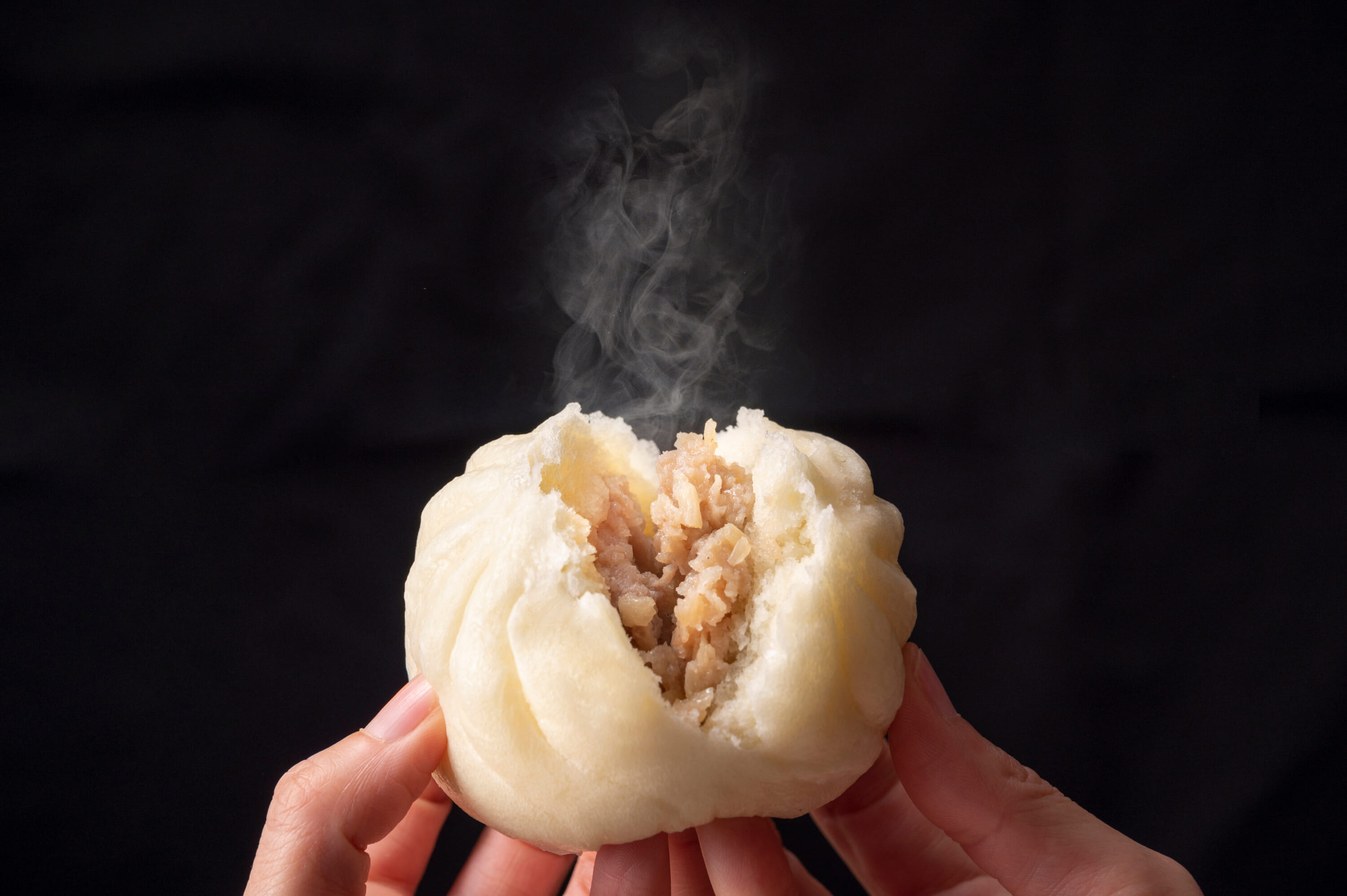
Nikuman
For commuters and students on their way on cold mornings, Nikuman is the ultimate pocket-sized go-to meal. These steamed buns are filled with a delicious mixture of pork, onions and mushrooms. They’re soft, fluffy, and hot enough to double as hand warmers.
Convenience stores stack them in glass cases all winter long, often next to containers of bubbling oden. In addition to the classic pork version, you will also find interesting flavors such as pizza or curry pancakes.
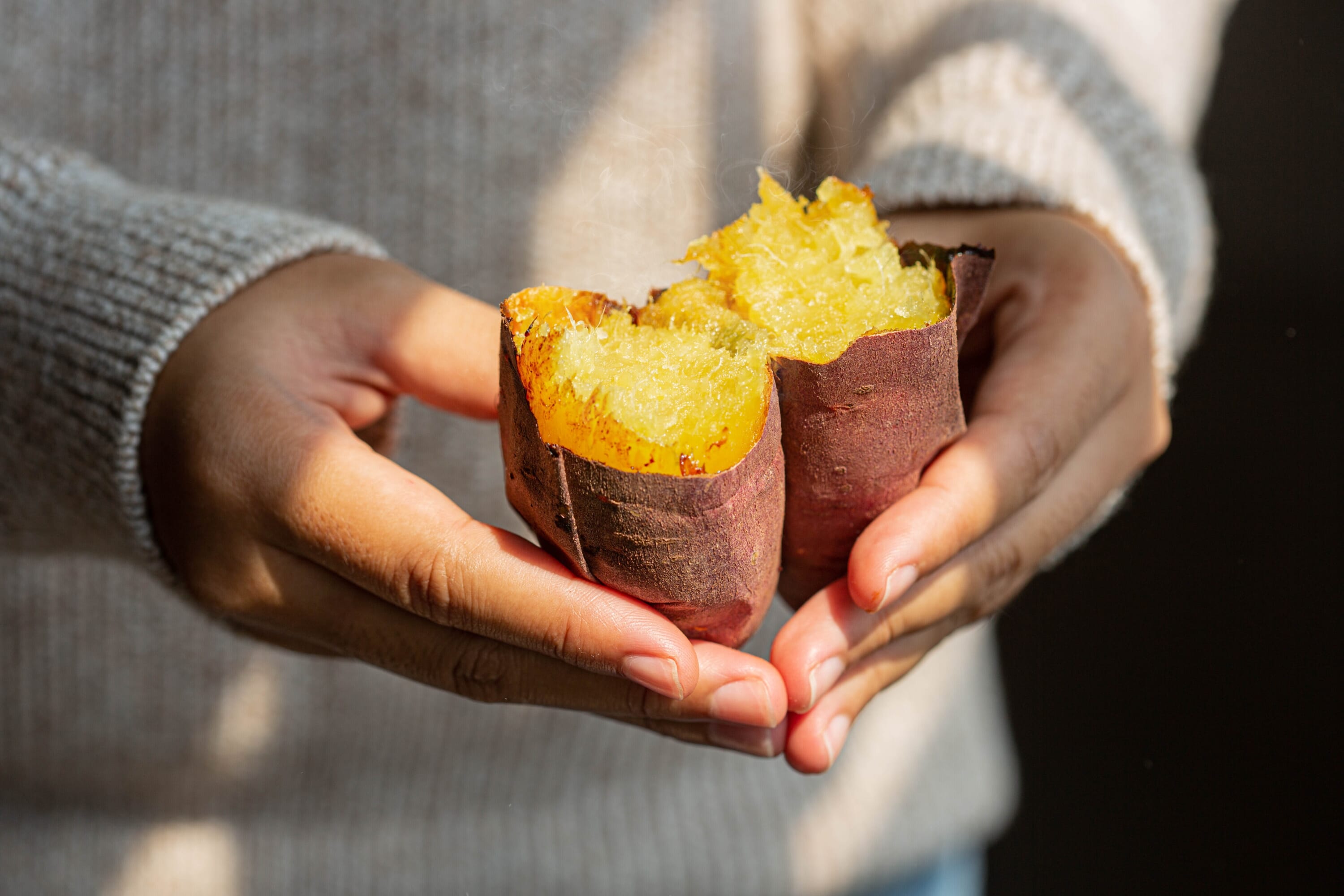
Burnt sweet potato
If you had to choose one food that feels like winter in Japan, it would have to be yakiimo, Once the temperature drops, it appears everywhere. You’ll find it in convenience stores, supermarkets, weekend markets, and even on vintage trucks driving slowly around neighborhoods, playing nostalgic tunes to announce fresh batches.
The magic is in the texture. The purple-skinned satsuma yam is slowly roasted until its interior becomes golden, creamy, and caramelized, almost custard-like. Eating a meal outside on a cold day is actually a seasonal ritual.
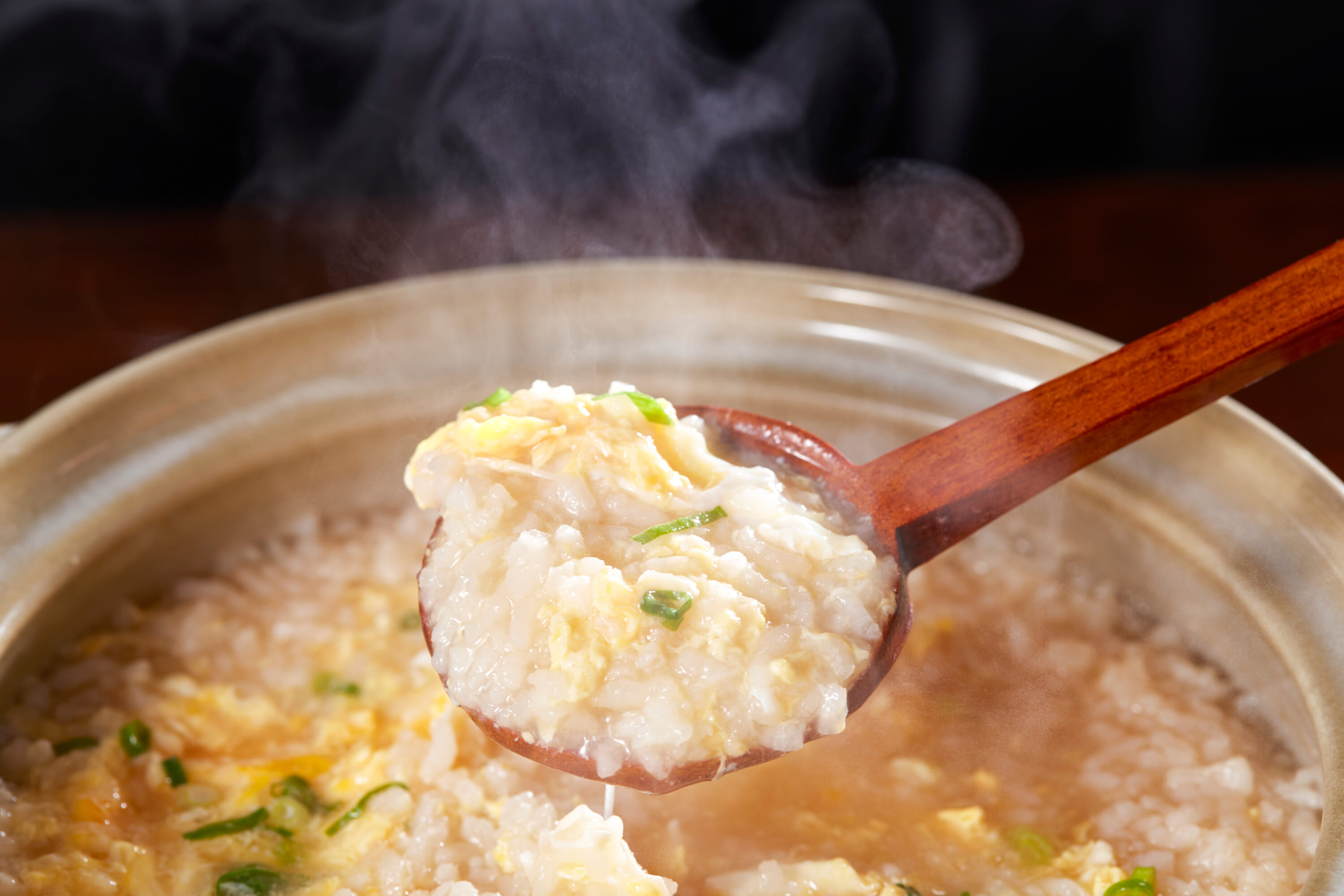
Sweet rice soup
This Japanese rice soup is the ultimate mild meal. This is what people eat when they feel cold, tired, or otherwise unwell. Similar to the shime we mentioned earlier, it’s typically made from leftover broth from hot pot, meaning every spoonful carries the flavor of whatever was cooked previously.
The rice is cooked until softened into a porridge, then mixed with beaten eggs, which become silky over high heat, and topped off with a sprinkling of scallions or grapefruit zest to brighten things up.
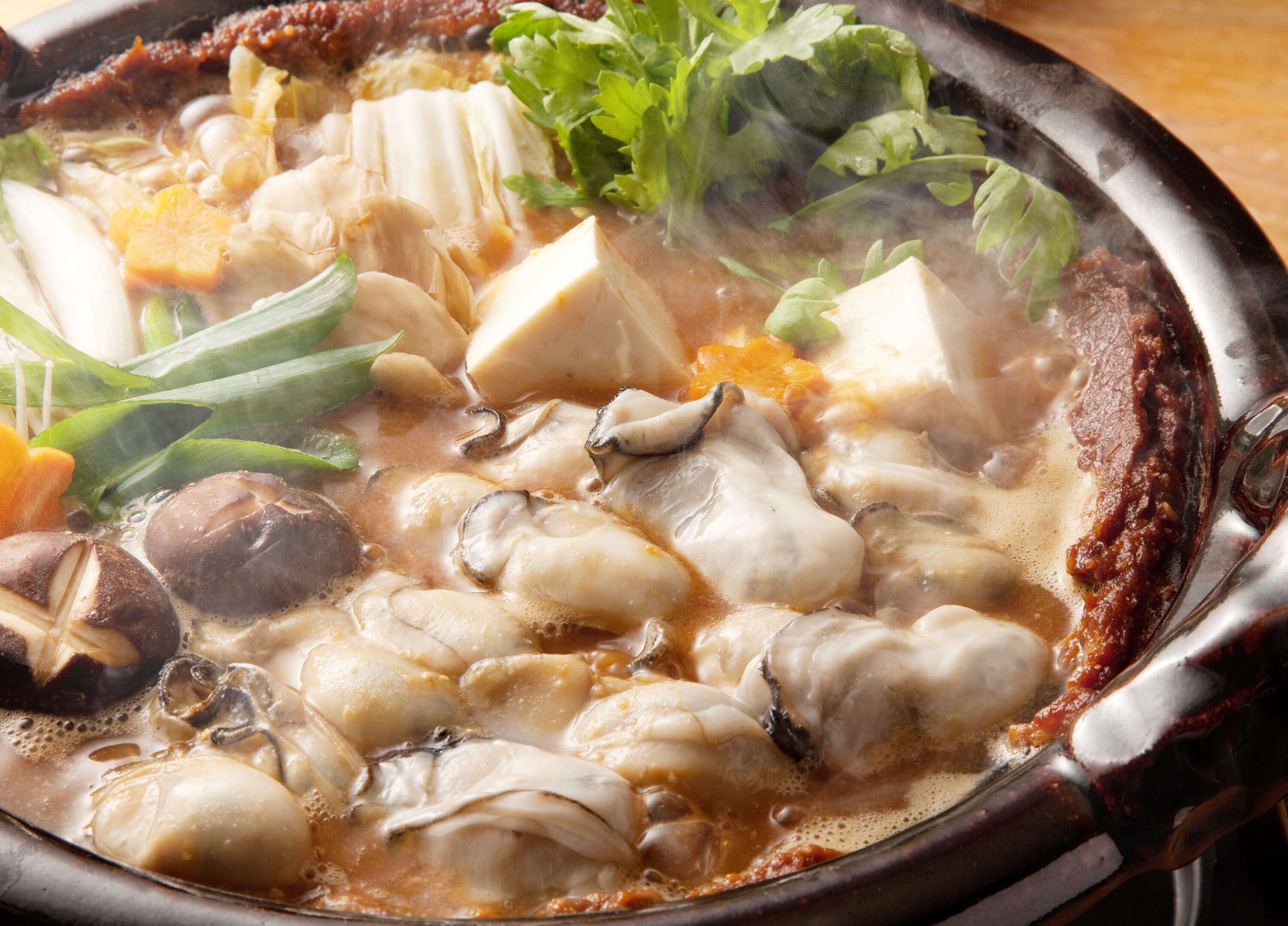
oyster legs
Winter is Japan’s oyster season, and persimmons are of the best quality. They’re plump, salty, and full of flavor. Regions like Hiroshima and Miyagi are famous for their oysters, and winter menus across the country are suddenly filled with oyster dishes.
There’s also fried persimmon, where oysters are breaded and fried until crispy on the outside and buttery on the inside. There are persimmons–nabe, a hot pot of oysters and vegetables cooked in miso or soy broth. Then there’s the simple treat of yaki-gaki, grilled oysters served with a squeeze of lemon.
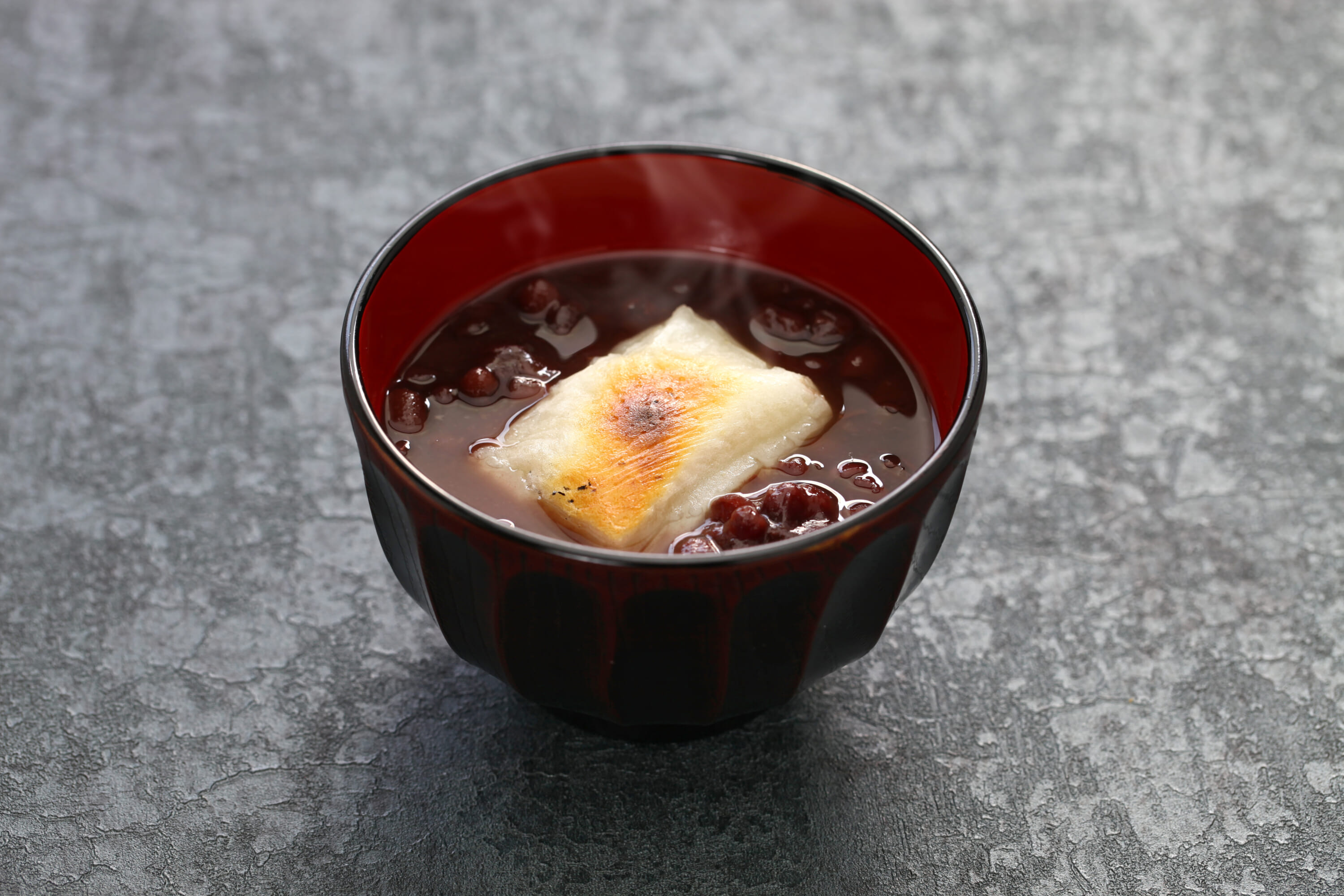
Dashuizi red bean soup
Winter is not all about delicious things. Japan’s cold-warming desserts are equally comforting. Oshiruko, a warm red bean soup served with toasted mochi, is a classic.
The beans can be thick or smooth and mixed with the hot mochi rice cake, which is chewy, springy and slightly crispy on the outside. This is a dessert that warms both your hands and your heart.
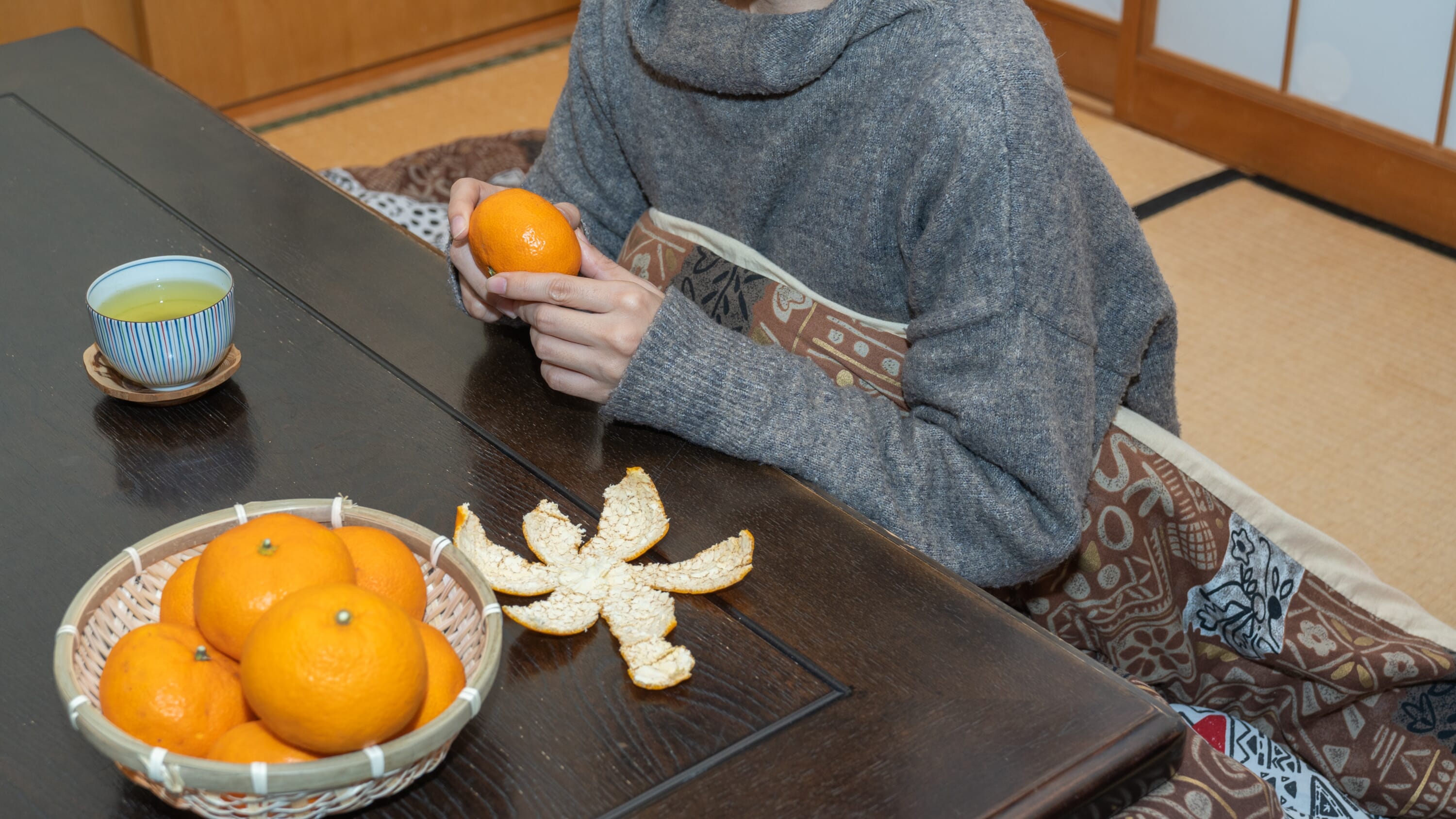
Satsuma
Finally, no Japanese winter food is complete without citrus. kotatsuA low Japanese table with a heater and heavy blanket.
On a cold afternoon, families would wrap their legs underneath, peel bright orange tangerines, and drink some hot tea to warm themselves up.