Anal Beads
 Anal Vibrators
 Butt Plugs
 Prostate Massagers
 Alien Dildos
 Realistic Dildos
 Kegel Exercisers & Balls
 Classic Vibrating Eggs
 Remote Vibrating Eggs
 Vibrating Bullets
 Bullet Vibrators
 Classic Vibrators
 Clitoral Vibrators
 G-Spot Vibrators
 Massage Wand Vibrators
 Rabbit Vibrators
 Remote Vibrators
 Pocket Stroker & Pussy Masturbators
 Vibrating Masturbators
 Cock Rings
 Penis Pumps
 Wearable Vibrators
 Blindfolds, Masks & Gags
 Bondage Kits
 Bondage Wear & Fetish Clothing
 Restraints & Handcuffs
 Sex Swings
 Ticklers, Paddles & Whips


Eat bread! Anti-starch: Why freeze bread

Eat bread. that’s why…
Bread usually has bad rap, accusing blood sugar spikes, stubborn weight gain and general carbohydrate overload. But here is good news: Not all bread is equal, and how you store it makes a surprising difference. That sour bread is in your refrigerator? It may be healthier than freshly baked slices.
The secret is something called resistant starch, and yes, freezing and toasting can help boost bread.
Anyway, what is anti-starch?
Resistant starch is a carbohydrate that resists digestion in the small intestine. Instead of breaking down quickly into glucose (sugar), it spreads to the large intestine, where it ferments and feeds your beneficial gut bacteria. This fermentation process brings some powerful health benefits, including:
- Improve insulin sensitivity
- Reduced blood sugar reaction after meals
- Supports a diverse and thriving gut microbiome
Think of resistant starch as a slow-burning carbohydrate that can help your metabolism and intestines rather than a fast-burning sugar bomb.
How to Freeze (and reheat) increase resistant starch
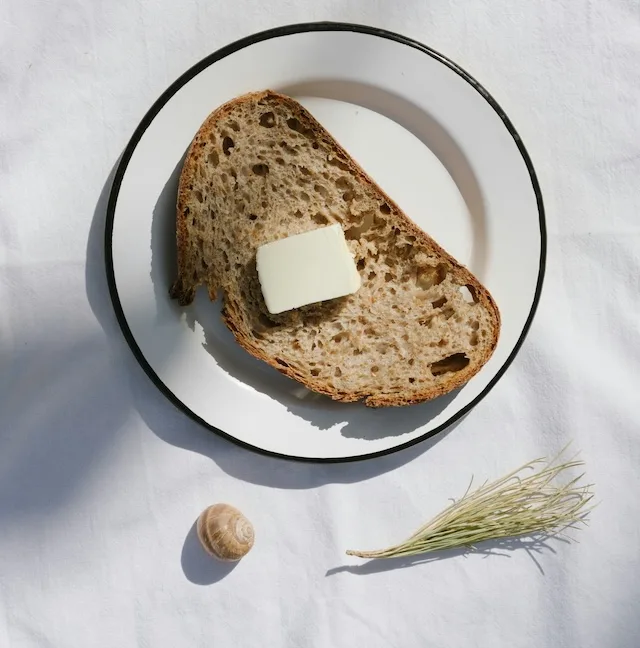
Avery Zenker, registered dietitian at Myhealthteam, explained: “The increase in drug-resistant starch content or the increase in frozen surface content is due to the retrograde process. When starch is cooked with moisture in wheat flour (such as wheat flour), they gel and become more variable. When cooked, the cohesion after starch is reversed, and there is some cohesion of cohesion. The body’s structures are more difficult to digest and absorb.
After the retrograde process, toast or reheat the bread and then maximize these blood sugar effects. Reheat the slices to end up with more resistant starch (and lower blood sugar effects) rather than when baking freshly. This means that, due to this process, freezing and toasting can slow down your body from turning into sugar.
So if you’ve been skipping the toast to keep your blood sugar stable, you might want to bring it back with some creative tweaks.
Why Sourdough is his own game changer
While several types of bread offer anti-starch benefits, if you want to freeze starch, consider prioritizing a sour bread.
Sourdough is produced by natural fermentation, which produces acids such as lactic acid and acetic acid, which nutrients the legs, resulting in a lower bread pH. This slow stomach emptying can also “slow the absorption of carbohydrates into the bloodstream, helping to reduce the blood sugar effect of the bread,” Zenker said.
“The fermentation process also helps break down some fructose, a sugar in a sugar. Fructose is a fodmap, which is a fermentable carbohydrate that causes certain digestive symptoms in some people when consumed overdose, such as those with intestinal syndrome (IBS) (IBS). Some types of dietary symptoms can be made possible compared to other types of bread.
The bioavailability of nutrients in sour bread is also possible. Wheat contains phytic acid, which can be combined with essential minerals such as iron, zinc and magnesium, thereby preventing its absorption in the body. The fermentation process of sour bread can help degrade some of these plants, thus allowing the mineral to be absorbed by the digestive tract more easily. ”
When you freeze and toast sour dough, it combines two digestive-friendly hacks: fermentation + anti-starch. This means better blood sugar regulation, less bloating and more stable energy.
Not all breads are equal
But don’t expect miracles to throw any bread in the refrigerator without browsing the tags first. Like other foods, some breads have much better choices than others in terms of nutritional value and starch structure. Many commercial toasts were frozen in the past. Therefore, refreezing at home may significantly reduce the benefits provided by resistant starch. On the other hand, homemade or bakery made with minimal additives are more likely to produce greater results.
“This is because many commercial breads contain ingredients such as emulsifiers, conditioners and preservatives to prevent the bread from getting out of date, which also hinders the retrograde process and formation of resistant starch,” Zenker explained. “Some examples you might see on the ingredient list include monotriglycerides and diglycerides, alpha-amylase or lycolithyl lactoethyl. In contrast, breads made with only a few ingredients, such as flour, yeast, water and salt, have less obstacles to starch formation.”
Because not all types of bread are equal, you need to look for bread that supports resistant starch and overall health. The best option is to check the nutrition labels and ingredients list first and keep these tips in mind:
Select the following:
- Naturally fermented sourdough
- 100% Whole Grain Bread
- Sprouted cereal bread, including spelling, oats or rye (such as Ezekiel bread)
- Bread with high fiber content
Beware of these:
- Super processed white bread
- High Sugar Sandwich Bread, Bagel and Blemon Roll
- Enriched or “soft” bread rich in preservatives and additives
(Expert tip: If its shelves are stable for weeks and have over 15 ingredients, it may not help your body, whether frozen or not.)
Maximize the benefits of bread
“The resistant starch content starts to increase the moment the bread starts to cool,” Zenker said. “The length of time for frozen bread does not seem to have a significant impact on the amount of resistance formed. One study found that the difference in amounts of resistant starch that freezes for 3, 5 or 7 days is small. In other words, the longer the bread is frozen does not continually increase the amount of resistance. The amount of patience is likely to produce a few hours of content.
Want to make the most of your frozen bread? Here are some tips to try:
- Slice before freezing: If you have unlimited bread, slice it thinly and throw it into the refrigerator. It is much easier to grab and bake individual slices than to thaw the whole bread first.
- Always reheat or toast after freezing: Reheating the bread after freezing helps maintain the benefits of resistant starch.
- Pair the bread carefully: Cover the bread with healthy fats (such as avocado or almond butter) or protein (such as eggs or cheese) to maximize nutritional benefits.
- Enjoy the enjoyment of guilt: When eaten intentionally, bread can definitely be part of a healthy diet. Rather than feeling harsh for carbohydrates, take advantage of opportunities to manage healthy blood sugar levels.
Bread doesn’t have to be an enemy. In fact, with the right bread, proper preparation and a little freezer magic, it can be a tool to improve metabolic health, improve digestion and higher satisfaction.
So go ahead: Freeze it, roast it, love it. Your body and your taste buds – will feel more stable, energetic and nourishing.