Anal Beads
 Anal Vibrators
 Butt Plugs
 Prostate Massagers
 Alien Dildos
 Realistic Dildos
 Kegel Exercisers & Balls
 Classic Vibrating Eggs
 Remote Vibrating Eggs
 Vibrating Bullets
 Bullet Vibrators
 Classic Vibrators
 Clitoral Vibrators
 G-Spot Vibrators
 Massage Wand Vibrators
 Rabbit Vibrators
 Remote Vibrators
 Pocket Stroker & Pussy Masturbators
 Vibrating Masturbators
 Cock Rings
 Penis Pumps
 Wearable Vibrators
 Blindfolds, Masks & Gags
 Bondage Kits
 Bondage Wear & Fetish Clothing
 Restraints & Handcuffs
 Sex Swings
 Ticklers, Paddles & Whips


Heat waves force Japan’s summer festivals to change seasons

A Japanese summer is synonymous with the image of a couple wearing Yukata Hakigori Shaved ice under the sky of sparkling fireworks. But nationwide, the rhythmic odes of festival tourists are at risk of fading, as extreme heat may force several Matsuko – Beloved traditional festivals – Give up their seasonal posts.
In recent years, temperatures have reached serious risks to performers, audiences and staff, so several fireworks shows and OBON events have been rescheduled in the spring or fall. For example, the century-old Adachi Fireworks Festival in Tokyo was originally scheduled for July and has changed its date to May 31 this year, causing various logistical problems.

Great holiday migration
Festival date changes across the country are taking place at an alarming pace. The transition from midsummer to spring to Adage Fireworks Festival shocked long-time attendees. But for organizers, it seems like a necessary change after last year’s nearly tassel.
By 7 a.m., the temperature reached 30 degrees Celsius, and by 10 a.m., security personnel soared 35°C and were hospitalized with hot air. For staff who have no shadows all day, the event is more like an endurance test than a celebration. Then, after all, the sudden thunderstorm that is increasingly common in Japan’s unstable climate, after months of preparation, forced the last minute to be cancelled.
In Kitakyushu, the Wasshoi Hyakuman Summer Festival has moved from August to September. Meanwhile, the Saga Castle Castle Town Sakae No Kuni Festival will be held on May 31 and June 1 instead of the usual August date.
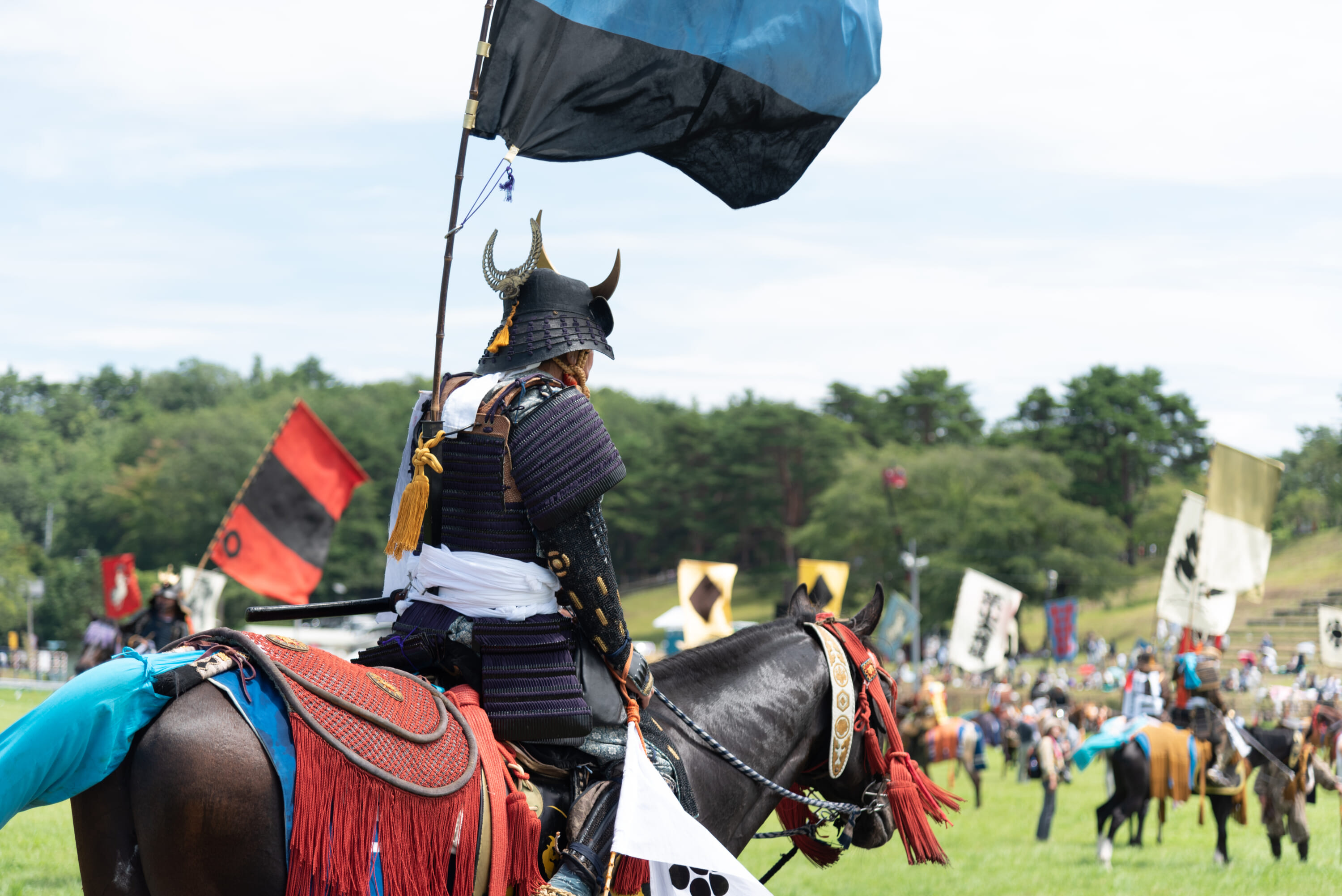
Soma Normai Festival
Survival problems
Date changes not only due to comfort and convenience, but also due to safety concerns. The Soma Nomaoi Festival in Fukushima Prefecture, which is full of samurai-riding fields, decided to start from 2023 from July to May after the horse died of heat-related illnesses.
The Kujirabune (Whale Boat) Festival held in Yokkaichi City, Mie Prefecture is another ancient tradition that will change its date. Due to the extreme heat of summer in recent years, it was decided to reposition the festival as part of the celebration in September. “In case of an emergency, it will be too late.” explain organizer. The solution requires subtle negotiations with cultural conservation agencies and community leaders.
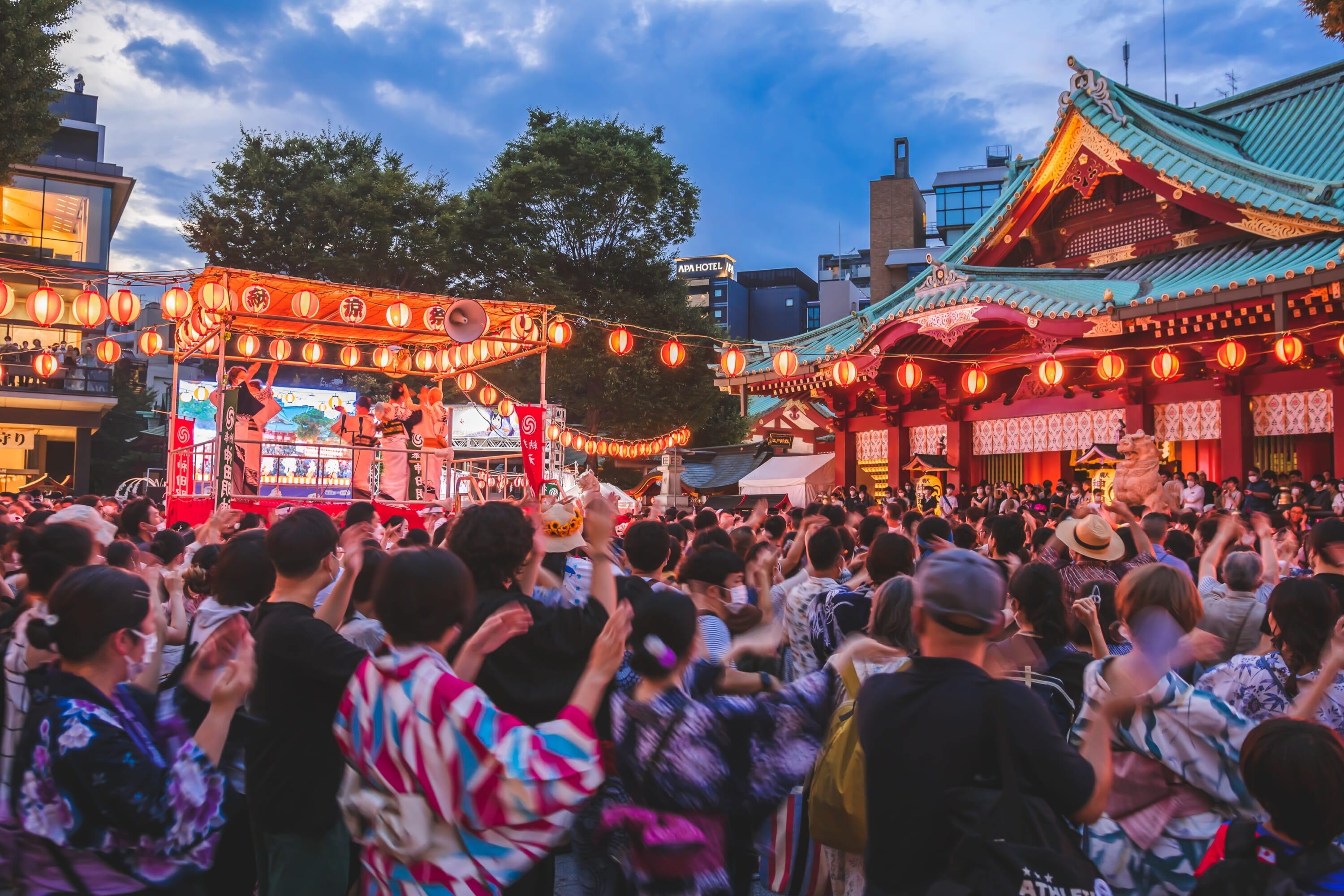
Real danger
However, some traditional festivals are still unshakable. Changing the date will completely destroy its meaning. For example, the Tanabata festival must be held on July 7, the date of the star lovers Orihime and Hikoboshi separated by the Milky Way, allowing meetings once a year. However, the Tanaka celebration lost attendees due to calories, and nurseries and elderly visitors at their peak decreased.
However, the great holiday migration represents more than just logistical adjustments. It is redefining the summer cultural significance of the Japanese public and eroding the seasonal rhythms that have shaped its society for centuries. While Japan’s beloved Songku may persist through vibrant local support and creative adaptation, its recent crisis is a clear side effect of new climate reality.