Anal Beads
 Anal Vibrators
 Butt Plugs
 Prostate Massagers
 Alien Dildos
 Realistic Dildos
 Kegel Exercisers & Balls
 Classic Vibrating Eggs
 Remote Vibrating Eggs
 Vibrating Bullets
 Bullet Vibrators
 Classic Vibrators
 Clitoral Vibrators
 G-Spot Vibrators
 Massage Wand Vibrators
 Rabbit Vibrators
 Remote Vibrators
 Pocket Stroker & Pussy Masturbators
 Vibrating Masturbators
 Cock Rings
 Penis Pumps
 Wearable Vibrators
 Blindfolds, Masks & Gags
 Bondage Kits
 Bondage Wear & Fetish Clothing
 Restraints & Handcuffs
 Sex Swings
 Ticklers, Paddles & Whips


How to hold a Japanese tea ceremony in Tokyo

In our fast-paced modern world, the ancient art of Japanese tea rituals offers something increasingly rare: pure mindful moments. This centuries-old practice is not just about drinking tea, but also invites participants into a sacred space, each gesture with meaning and time itself, which seems to slow down.
For travelers seeking a true cultural experience in Tokyo, attending traditional Japanese tea rituals provides an unparalleled window at the heart of Japanese philosophy.
The soul of Japanese tea ceremony: Understand Chado
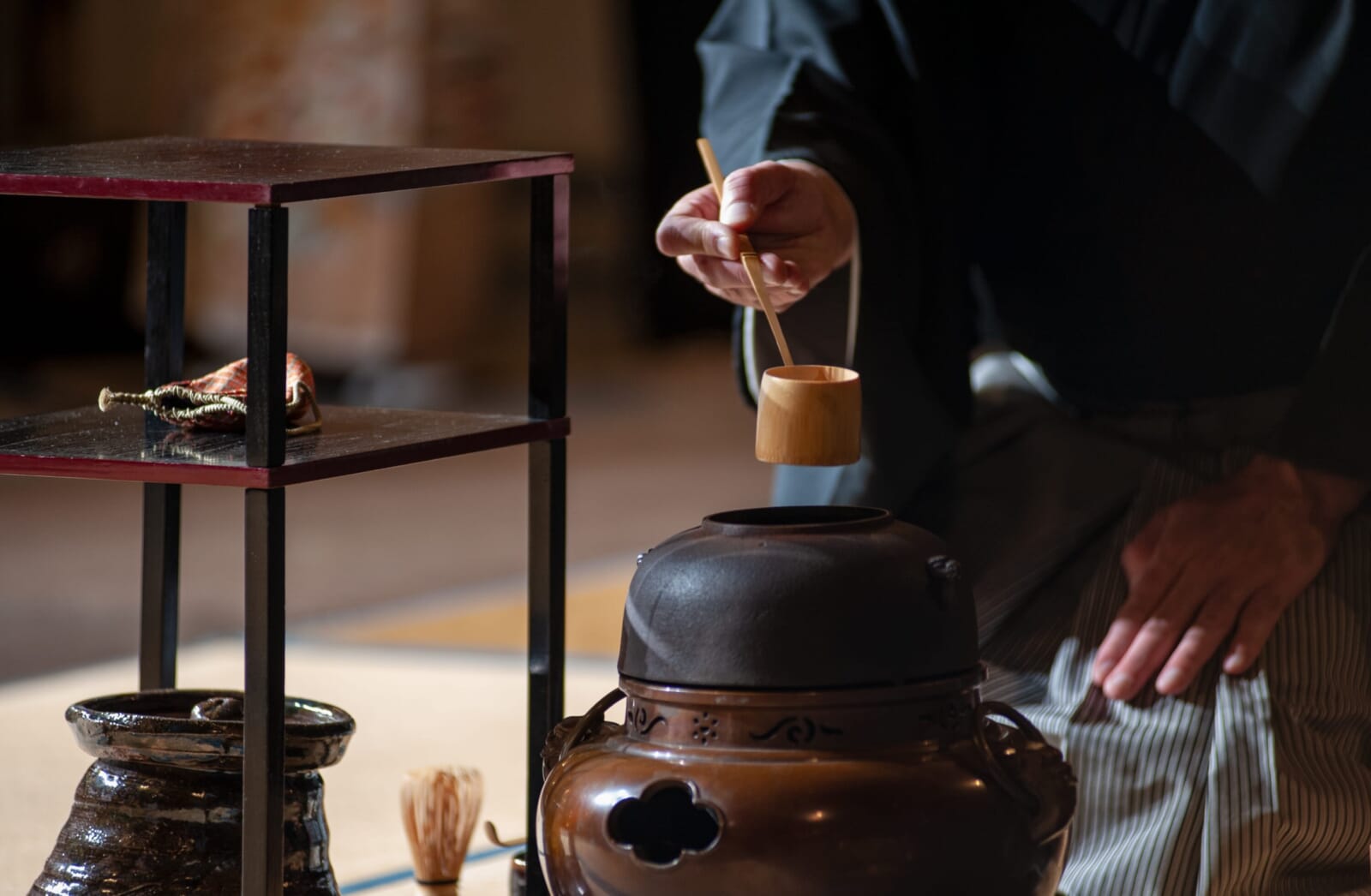
Traditional Japanese tea ceremony, called Sado,,,,, Chado Or Chanoyu, rooted in four basic principles wa-kei-sei-jaku – Harmony, respect, purity and tranquility. WA (Harmony) emphasizes the connection between all participants and the current elements. kei (Respect) is manifested in every interaction, from the host’s careful preparation to the guest’s mindful reception. SEI (purity) is both physical and spiritual, and is evident in ritual cleansing. When these principles are reflected, Yaku (Tranquility) appears naturally.
The center of the tea ceremony is “Ichigo Ichie,This sentence realizes that every party is unique. This philosophy encourages full existence, admiring subtle details such as filtered sunlight or seasonal candy. The ritual’s connection to seasonal changes reflects Japan’s deep appreciation of the natural cycle, and everything from hanging scrolls to tea reflects the current season.
Although rooted in a 400-year-old tradition influenced by Zen Buddhism and the elaboration of masters such as Sen no Rikyu, this practice is still important today. Modern practitioners often describe it as meditation in movement, providing breathing breath from the overwhelming numbers and urban stress.
What happens during your Japanese tea ceremony experience
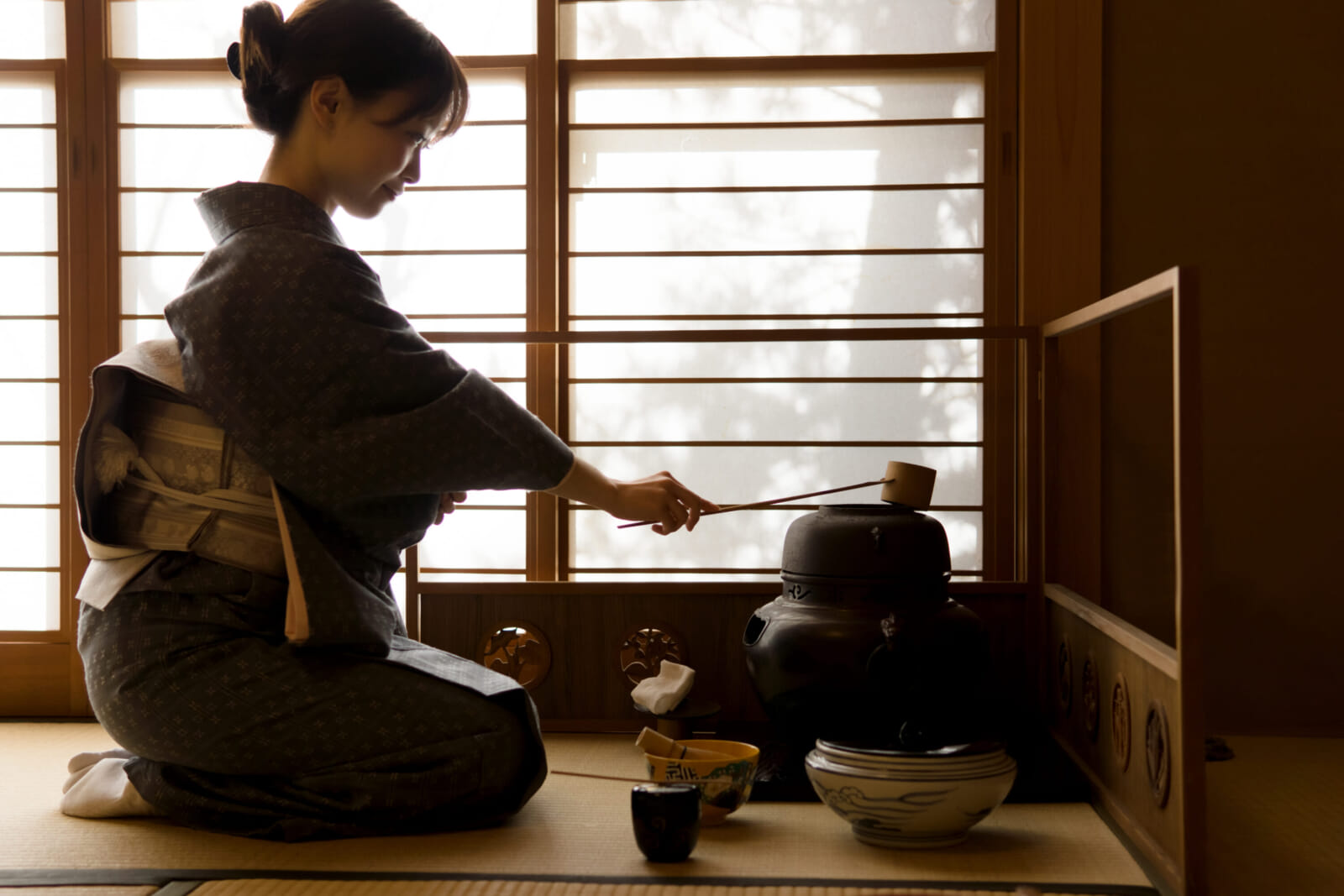
A traditional tea room called Chashitsuaims to promote tranquility through refined simplicity. In addition to Tatami flooring, there is also a paper screen filtering natural light and Tokoneoma Alcove, showcases seasonal art. The intimate proportions encourage quiet contemplation, and Nijiriguchi The entrance requires crawling, symbolically leaving the outside world behind.
The ceremony unfolds during the orchestration stage. The host machine uses silk purification tool first Fusheng cloth. This is not for cleaning, but as a gesture of respect. Traditional Vagasi Candy is first provided, designed to complement the slight bitterness of matcha. Then, the owner stirs the green tea powder with hot water with bamboo Chasen Stir, display foam, vibrant tea in a handmade ceramic bowl specially selected for the occasion.
Each gesture embodies centuries of grace and respect. The movements are deliberately slow and mindful. carry Kenson Water container, host turns to the guest – admits that the original water will no longer be used. Tea bowls are directed so they are most beautiful in facing guests.
Tea ceremony etiquette: How to be a respected guest
Remove the shoes and strong perfume before entering. Take some time to enjoy the Tokonoma display and respect the host’s preparation. Quiet and intentional, traditionally sitting Seiza (Formal kneeling), although many modern venues can accommodate guests who find it difficult.
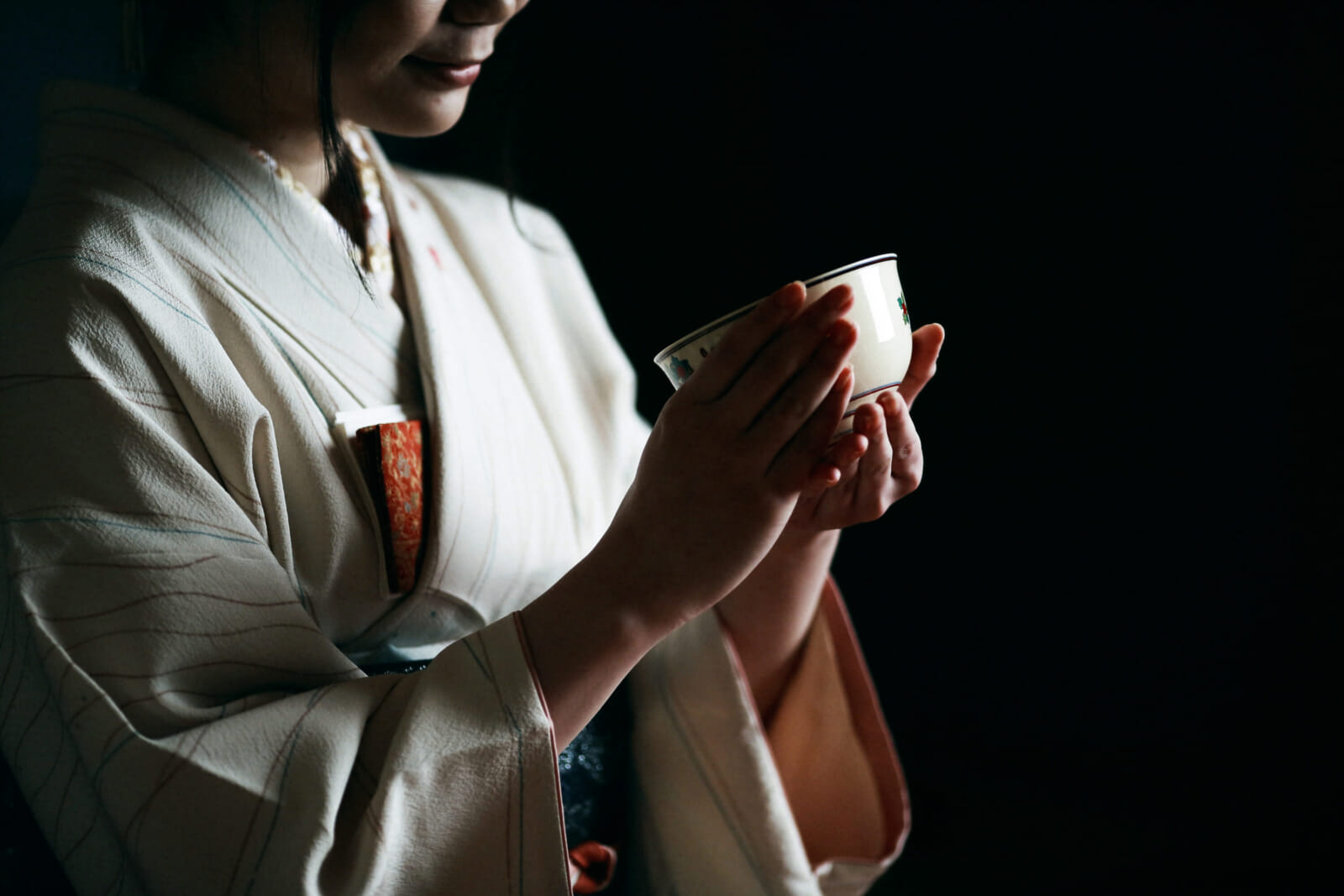
Receive candy with hands and small bow. The tea bowl decoration faces you. Before drinking, rotate the bowl twice clockwise to avoid placing your lips on the decorated surface. Drink in a few small sips, then rotate counterclockwise, and then return.
Common mistakes to avoid
Never rush – the power of the ritual lies in its intentional pace. Unless invited, do not touch the tool, and use an open hand posture instead of pointing. Photography policies vary, but many traditional environments block pictures at rituals.
Where to experience Japanese tea ceremony in Tokyo
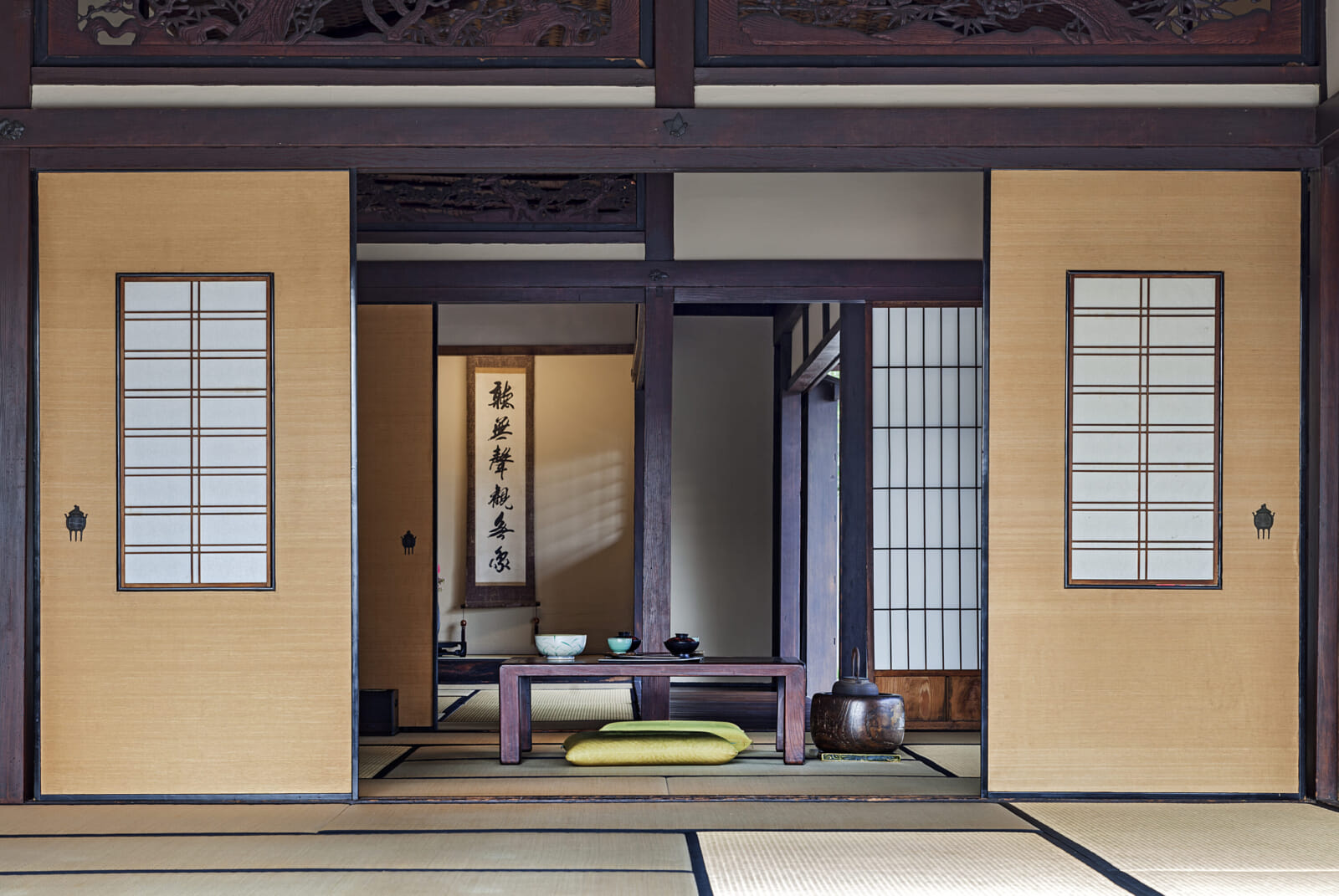
Traditional teahouses in the historic area
- KOSOAN (Meguro): cosan It is a pleasant setting for the residential Jiyugaoka district, famous for its traditional wooden architecture, serene Zen gardens and timeless atmosphere. Located in a former family home, it offers a peaceful retreat that takes visitors to Japan’s past.
- Jidaiya (Asakusa): JidaiyaLocated in the heart of Asakusa, one of the most historic areas of Tokyo, it offers wheelchair-friendly tea rituals and an additional option for a kimono experience.
- Kagurazaka: Nestled on the cobbled streets of the quaint Kagurazaka. Hou Provide authentic tea rituals in a quiet environment away from the hustle and bustle of the city.
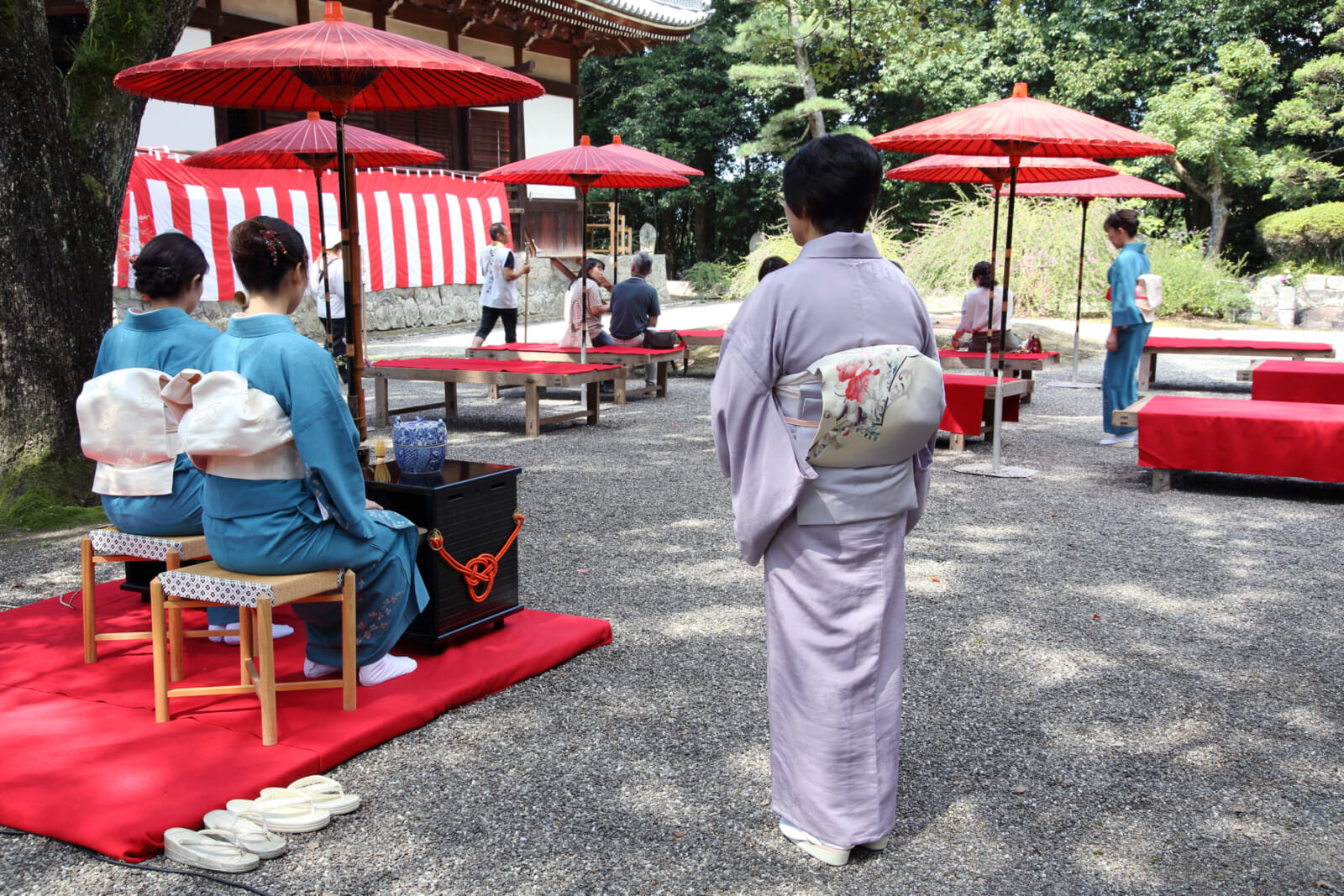
Garden environment: Tea ceremony in Tokyo Park
- Shinjuku Gyoen: TE Whatasu Party: Features a convenient ticketing machine for fast matcha and Wagashi services. Walk into the established teahouse, take off your shoes and enjoy a tea ceremony experience on the traditional tatami floor.
- Hamarikyu Garden: nakajima-no-ochaya: This historic teahouse was once a retreat from the 18th and 19th centuries Japanese elites, where military leaders relax while admiring the beautiful views of the park’s ponds and flora. The venue continues the tradition of this tranquil tea service, where visitors can attend the annual tea ceremony through English instructions held every October.
- Happo-en: Muan Teahouse: For a luxurious tea ceremony experience in Tokyo, this upscale venue offers both formal rituals (with a waitlist of up to two months) and informal experiences under the canopy of lush green plants. Please note that Muan Teahouse is closed until the end of September 2025 for renovation.
Cultural center and tourist-friendly venue
The cultural centers throughout Tokyo provide beginners with English teaching experience focusing on education and cultural exchanges. Many Central Tokyo hotels now offer a matcha ritual experience, providing easy access to instructions tailored to international guests as part of their cultural programs.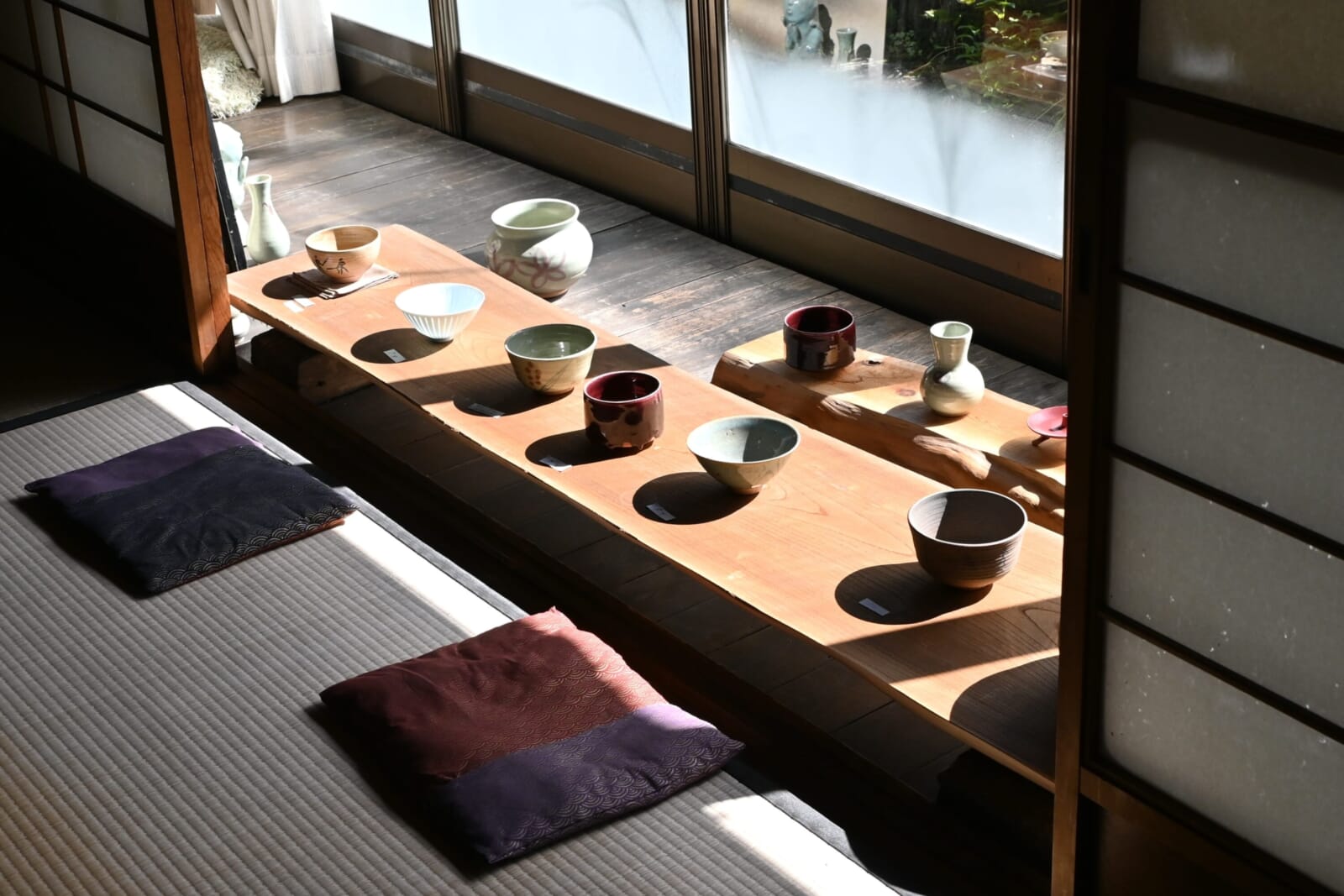
Choose the perfect tea party experience
Formal and leisure ceremony
Formal ceremony (“TOLL“) can last for several hours and include a full meal that provides a comprehensive cultural understanding. Leisure rituals (“”Crab”) Focusing on tea services, usually lasting 60 to 90 minutes, is perfect for travelers who want a limited time to get a real Tokyo experience.
What to wear and how to prepare
Wear in a moderate and comfortable dark pastel colors. Avoid intense perfumes and well-crafted jewellery. Some places offer cushions, while others maintain traditional Seiza seating.
Japanese tea ceremony provides a rare opportunity for modern travelers to experience profound cultural meditation. In the bustling environment of Tokyo, these traditional quiet moments not only provide cultural education, but also provide the soul with a real breathing, giving participants a greater appreciation for mindfulness and the art of real existence.
Related Articles
The art of Zen and Japanese tea rituals
The Best Matcha Powder: A Beginner’s Guide to Green Tea Brands
A day of a Japanese tea ceremony host’s life