Anal Beads
 Anal Vibrators
 Butt Plugs
 Prostate Massagers
 Alien Dildos
 Realistic Dildos
 Kegel Exercisers & Balls
 Classic Vibrating Eggs
 Remote Vibrating Eggs
 Vibrating Bullets
 Bullet Vibrators
 Classic Vibrators
 Clitoral Vibrators
 G-Spot Vibrators
 Massage Wand Vibrators
 Rabbit Vibrators
 Remote Vibrators
 Pocket Stroker & Pussy Masturbators
 Vibrating Masturbators
 Cock Rings
 Penis Pumps
 Wearable Vibrators
 Blindfolds, Masks & Gags
 Bondage Kits
 Bondage Wear & Fetish Clothing
 Restraints & Handcuffs
 Sex Swings
 Ticklers, Paddles & Whips


One of Japan’s most underrated fortifications

Bandishi Castle is located in Bando City, Ibaraki Prefecture. It is an exquisite ancient castle. Although technically it’s not that old, as much of it – from the moat to the bridge, turrets and main entrance – was rebuilt in the 1990s. The vast Bansai Castle Park surrounding the reconstructed building is now a popular cherry blossom viewing spot, but it’s a bit inconvenient to get to without a car, so you might be thinking, why bother? Because, beneath its unassuming exterior, Banxi Castle is filled with stories of death, despair, ninjas, and lost aquatic kingdoms.
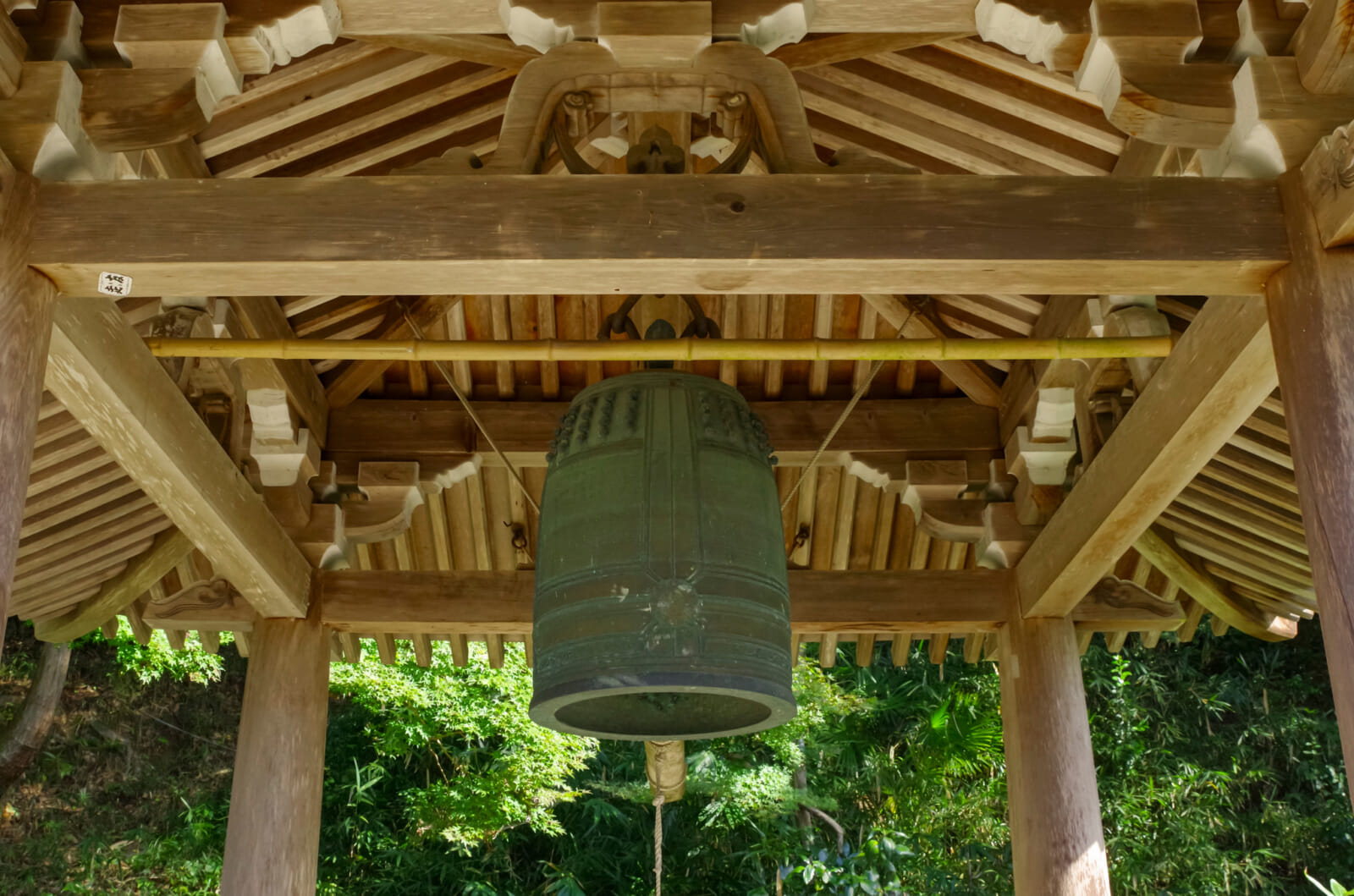
Example of a Japanese bronze bell, Azuchi Castle Sogenji Temple
The tragic story of the Banishi Diving Bell
The original castle belonged to the Banishi clan from 1456 to 1536 (not surprisingly) until it was taken over by the later Hojo clan. But “takeover” is the root of all euphemisms here, belying a dark and bloody truth. In the 16th century, the Go-Hojo clan aimed to control eastern Japan (Kanto), and Bansai Castle was one of the keys to their expansion. It was a strategic fortress protecting the northern region of Kanto, so when the Hojo Army attacked, they came with great ferocity.
Hojo’s attack was brutal, resulting in the deaths of Castle Lord Banishi Tsuneshige and most of his warriors. But his female family members were even worse off because they knew they were likely to be violated before being killed. Even if they live, they will basically live like slaves, and one of them doesn’t accept that.
Tsuneshige’s daughter (sometimes thought to be his wife) Tomohime or Tomogozen decided to go out on her own terms and picked up her naginata, a common weapon Suitable for female warriors of all ages —and chopped down the castle’s big bronze bell. She got inside, wore it like armor, and walked into the castle pond, where she drowned.
The body of water came to be known as Kanebori-ike or “Bell Digging Pond” because locals apparently made numerous attempts to retrieve the remains of bells and Tomohime from it. They found nothing, which only fueled her legend. Today, in parts of Ibaraki Prefecture, she is still regarded as a symbol of bravery, sacrifice and honor, as well as a reminder of the grim fate of women during the siege.
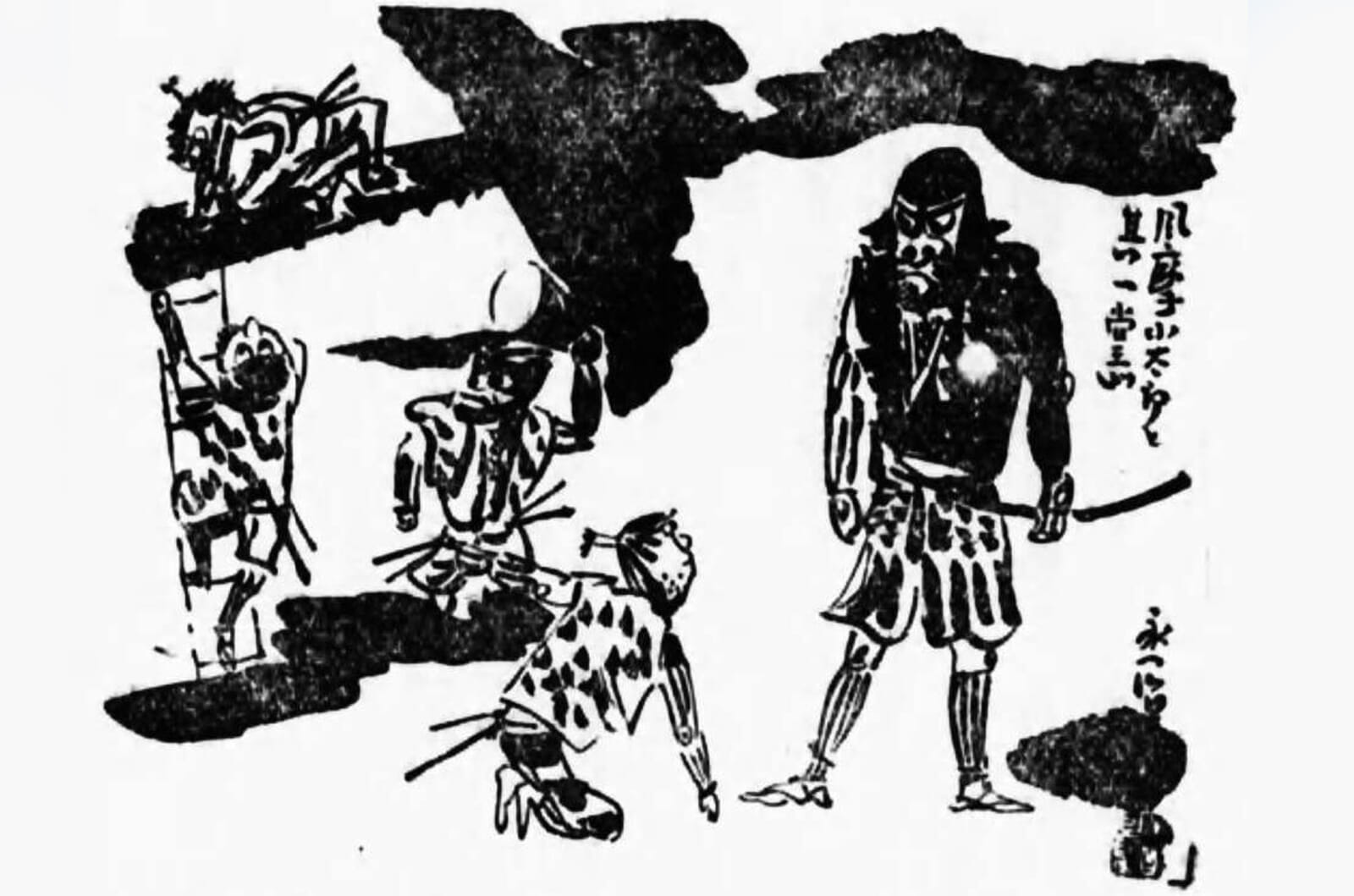
Eiji Ikeda depicts the Fuma clan with its leader Katsutaro Fuma (right) National Food Collection, Wikimedia
House of Wind Demon
Legend has it that one of the secrets of Hojo’s power is a tribe of loyal ninjas called the “Fuuma”, which literally means “wind demons”. There are enough historical records and documents to prove their existence. But they are not black-clad assassins who kill their enemies with shurikens by the throat, but a well-trained guerrilla force used in asymmetric warfare and psychological warfare.
They really excelled in that last one. Fuuma claims to be a descendant of Taira Masato. The angry god was beheaded Formed the basis of modern Tokyo. they disguise themselves as monster monster and exploit fireworks to scare their enemies. Even their name may be a weapon, as it may have originally been written with the words “wind” and “space” before the clan changed it to “wind demon” for branding purposes.
So when the Go-Hojo clan captured Bansai Castle, they began using it as a base for hundreds of Fuma ninjas who were sent across the region to further their conquest of Kanto. Their typical role in battle included nighttime ambushes to reduce morale, carry out sabotage, steal horses, and even enter enemy camps in disguise to spread destructive misinformation, as they allegedly did at the Siege of Odawara against Toyotomi Hideyoshi, Japan’s second greatest unifier. But this was not enough and the Go-Hojo clan was wiped out by the Toyotomi clan, after which the Fuuma began engaging in banditry until their leader was eventually captured and executed by the shogunate.
Japan’s Inland Venice
The Forma people are also known for their superb rowing skills, but if you were stationed in a castle about 80 kilometers from the ocean, you might think that these skills have nothing to do with them. But Bansai was a plain fortress surrounded by the Sini River, moats, canals, and, before reclamation, 30 kilometers of swamps that connected to each other to form an extensive system of waterways that was used extensively by both Banxi and later Hojo.
During the reconstruction of the castle according to the original plans, it was discovered that the moat once contained a docking station for ships, a rarity among Japanese fortifications located deep inland. Archaeological excavations have uncovered the remains of these docks, as well as a shallow harbor area, suggesting that the inhabitants of Banxi Castle frequently used boats, most likely to transport troops, supplies, and, of course, ninjas. Ship Ninja! Someone needs to make this animation.
It is believed that a system of moats, canals, swamps, rivers and lakes was the primary means by which the Fuma people moved through the area in the post-Hojo conquest period. If someone came knocking on Banxi City’s door, it would also help to secretly transport them behind enemy lines. However, in the first few years, the waterways were mainly used for communication between different clans and the exchange of messengers, creating a now sadly forgotten mini-water empire in this corner of Japan.