Anal Beads
 Anal Vibrators
 Butt Plugs
 Prostate Massagers
 Alien Dildos
 Realistic Dildos
 Kegel Exercisers & Balls
 Classic Vibrating Eggs
 Remote Vibrating Eggs
 Vibrating Bullets
 Bullet Vibrators
 Classic Vibrators
 Clitoral Vibrators
 G-Spot Vibrators
 Massage Wand Vibrators
 Rabbit Vibrators
 Remote Vibrators
 Pocket Stroker & Pussy Masturbators
 Vibrating Masturbators
 Cock Rings
 Penis Pumps
 Wearable Vibrators
 Blindfolds, Masks & Gags
 Bondage Kits
 Bondage Wear & Fetish Clothing
 Restraints & Handcuffs
 Sex Swings
 Ticklers, Paddles & Whips


The story of “Japanese Solomon”

Work in Old Tokyo during the Edo Period (1603 – 1867) Town tour The county commissioner actually has three jobs hidden in one coat. This position is equivalent to a modern police chief Supervise Samurai Policeco-mayor of the largest city on earth (because there are two machi bugyo at any given time) and a high court judge. It’s not a job that requires a lot of friends—except in one case. A town patrolman was beloved by the people of Edo, who immortalized him in plays, books, and books. monolingual Comedy routine. This is the story of Japanese Solomon Ooka Chusuke.
Impressive resume Ooka Chusuke
Ooka Chusuke (1677–1752) was the son of a direct retainer of the shogun, but he did not ascend to the position of Edo magistrate by virtue of superior conditions. He first obtained a minor administrative job and climbed the ladder of feudal bureaucracy, eventually becoming Yamada magistrate, overseeing the province of Ise and the Ise Daijingu Shrine, one of Japan’s most important sites of Shinto worship and, oddly enough, symbol of peasant uprising. For most people, that’s enough, but Ooka Chusuke isn’t most people.
Chusuke later became the town councilor of southern Edo, the governor of Echizen Province—which is why he is sometimes called Echizen Ooka—then the magistrate of temples and shrines, and finally the magistrate of Echizen Prefecture. daimyo (the great feudal lord)’s territory is located in today’s Aichi Prefecture. He remains the only Edo bureaucrat to achieve the status of a fief lord. But that’s not how he’s remembered. Chusuke’s legacy will forever be linked to his time as Edo’s de facto CEO. Here’s why:
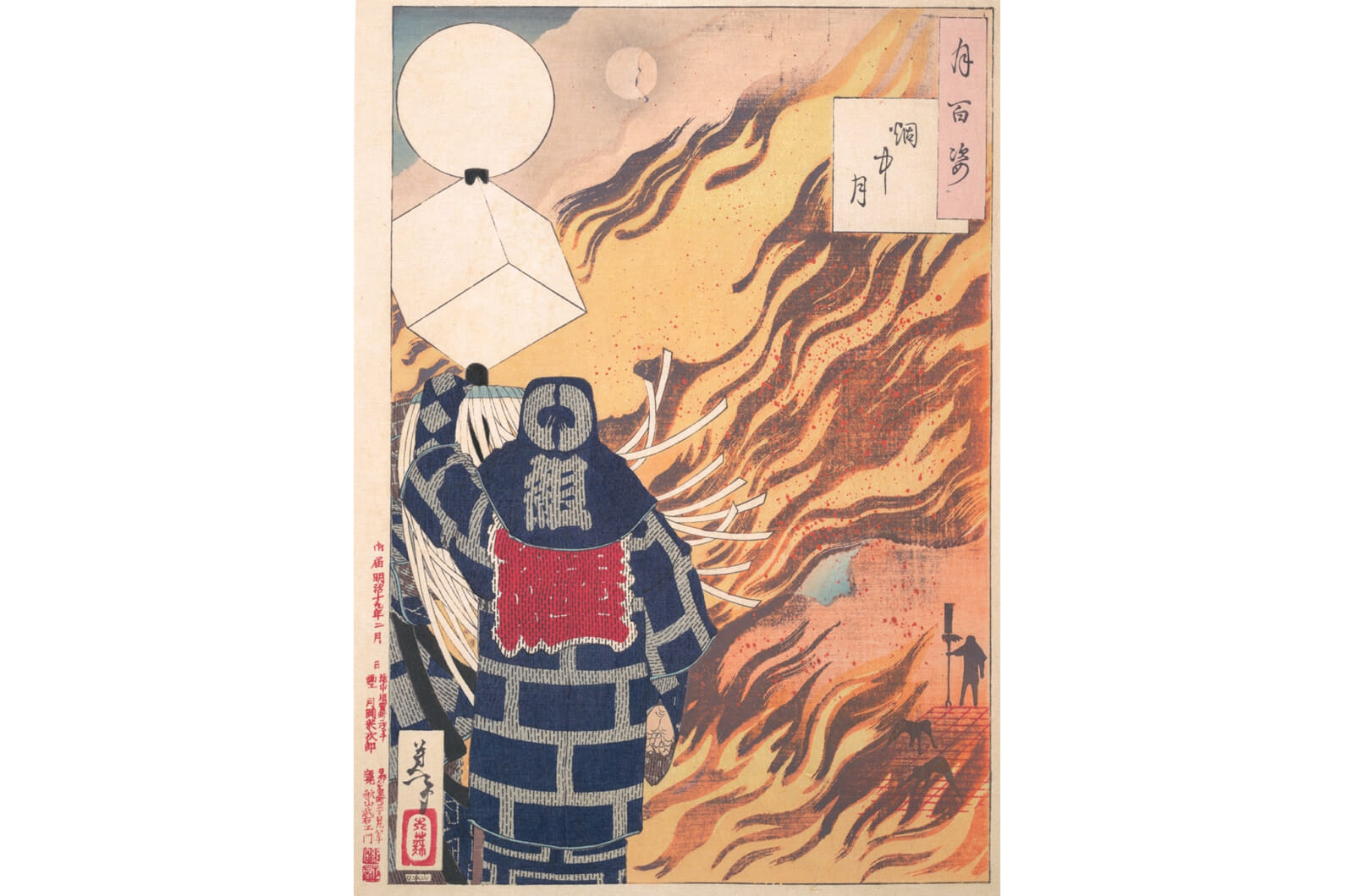
Depiction of Edo firefighters in uniform, from Yoshitoshi’s Moon in Fire (1996) | Wikimedia
The man who loves Edo
Chusuke’s experiences as Edo police chief, judge and mayor were more than just stepping stones in his career. He saw the job as an opportunity to improve his city. He cracked down on suicide pacts, organized Edo’s first civilian fire brigades, and established the Koishikawa Health Center, a free public hospital that later Akira Kurosawa’s red beard. He also encouraged the cultivation of sweet potatoes to prevent famine and suggested that publishers add a stamp of ownership to books, essentially inventing copyright law.
Then there are his judicial pronouncements. Ooka Chusuke is famous for his refusal to use torture to extract confessions (the threshold for praise today is very low, but at the time it was almost sacred) and blends written law with humour, humanity and kindness.
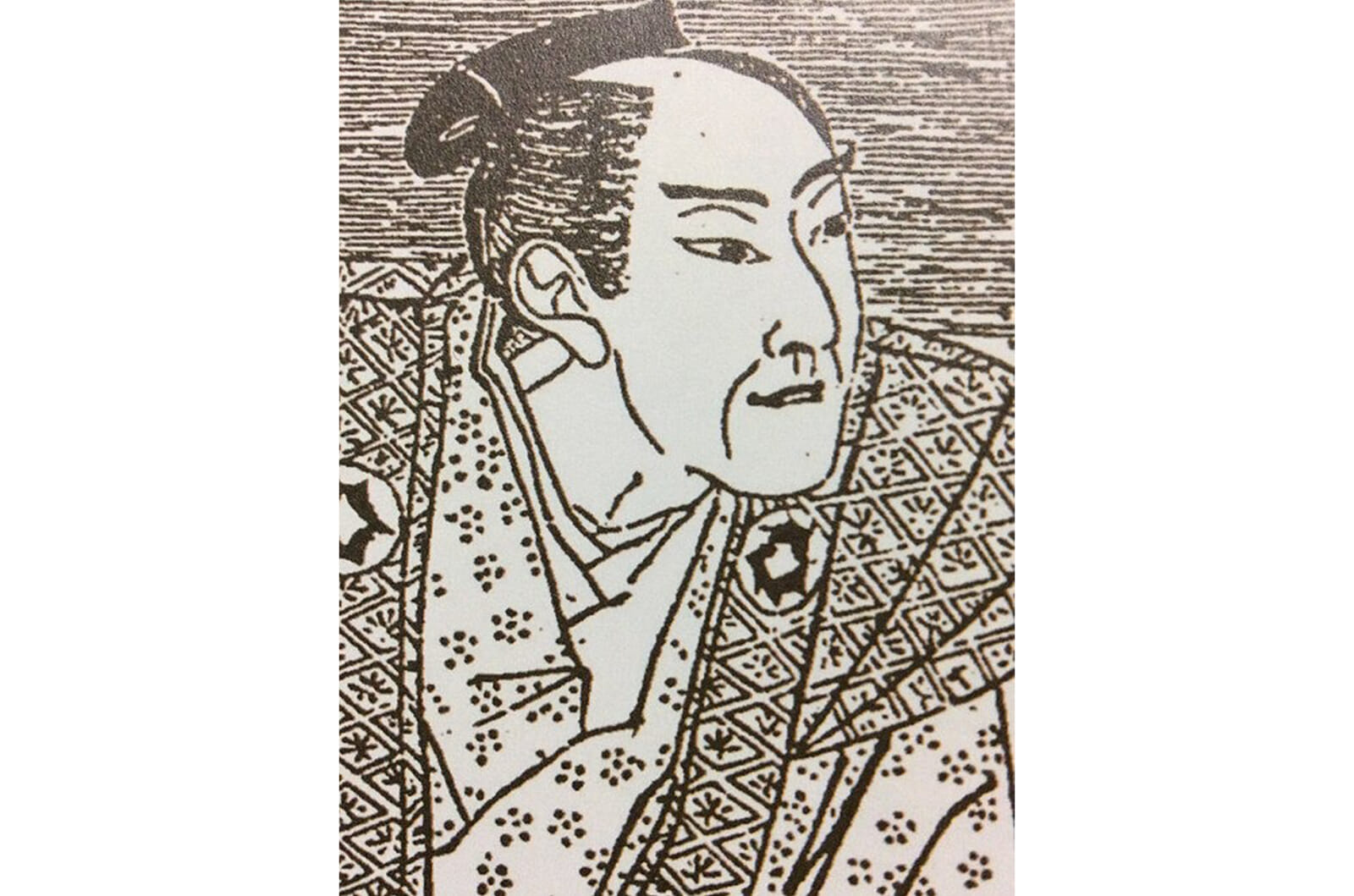
Interpretation by Ooka Tadasuke, artist unknown | National Food and Beverage Collection, Wikimedia
Wise Oka
Chusuke’s experience as a judge is so mythologized in feudal popular culture that it is impossible to know which stories are true. Still, assuming there is some truth to each story, his most famous cases reveal a better understanding of the man.
Among them, a poor student was accused of eating white rice only when aromatic foods such as tempura were being fried at a nearby store. To compensate the chef for the “stolen smell,” Chusuke reportedly asked the student to shake some coins in his hand and pay the man with the sound of the money.
Another famous decision by Daka involved the “arrest” of the Ksitigarbha statue. Ksitigarbha statues often appear on roadsides and depict a Bodhisattva – a person who is capable of achieving enlightenment but chooses to remain on earth to help others. When a cart filled with kimono fabrics was stolen near the Ksitigarbha statue, Chusuke allegedly brought it back for “neglect of duty.” The crowd laughed, and Chusuke immediately deemed them in contempt of court and ordered everyone in the vicinity to be fined with a small piece of cloth. The car owner later identified the thief by recognizing the fabric he had stolen in the “fine.”
Despite being proven innocent, the Ksitigarbha statue remains tied up with ropes in Katsushika Nanzo-in due to slow action by the Japanese bureaucracy.
Oka Human
One of Oka’s more believable cases involves a quarrel between farmers over a field. He solved the problem by having both sides grow test crops on disputed land and then see which one grew faster. In this way, the final verdict comes from nature, while also demonstrating the farmers’ skills, ensuring the most efficient use of the land to the benefit of everyone. Well, mainly for samurai landowners, who Maximum profit. It’s not exactly the Platonic ideal of a happy ending, which is exactly how this case actually happened.
After all, Ooka Chusuke is not a revolutionary progressive. He is a person who benefits from the feudal system and defends it everywhere. But he did do some good things by working within the system. So what’s the final verdict? Is Chusuke really a good person? How do we define it? In true Ooka style, we’ll resolve this dilemma by leaving these questions up to the reader. Good luck.